

Ongoing support for the systems behind your business.
I work with your team on an agreed set of technical priorities. That can include improving existing systems, building smaller tools and automations, adding integrations, fixing reliability problems, and helping you make decisions as new needs come up.
Monthly partnership scoped around priorities and available time
Your business has ongoing technical needs that would benefit from one person who already understands your systems and operations.
The partnership gives your team continued help across a defined area of the business. It fits when several connected priorities keep coming up and each one is easier to handle with the context from the last.
- Existing systems need regular improvements as the business changes.
- Smaller tools, automations, integrations, or reports need to be built over time.
- Reliability problems are interrupting a workflow your team depends on.
- Software, vendor, or AI decisions require technical judgment and business context.
- Your team would benefit from one person who can understand the need, make the decision, and implement the change.
What I can help with each month.
Improve existing systems
Update tools and workflows as your team, customers, data, or business rules change.
Build smaller tools and automations
Handle focused needs that belong to the agreed area of the business without turning each one into a separate standalone project.
Add integrations and reporting
Connect systems, reduce repeated data entry, and make important status or results easier to see.
Fix reliability problems
Investigate failures, strengthen the parts of the system causing trouble, and document what your team should watch.
Help with technical decisions
Evaluate software, vendors, architecture choices, and possible uses of AI when your team needs a recommendation and someone who can follow through.
We agree on the area of the business, current priorities, and available time.
Examples of an agreed area
- Customer intake, approvals, and fulfillment
- Internal reporting and decision support
- Sales operations and follow-up
- Content or marketing operations
- Product administration and customer support systems
Where the scope stops
Priorities can change as new information comes up, as long as they stay within the agreed area and available time. A new operational area, a larger standalone system, or a fixed delivery deadline is scoped separately.
How the partnership works
Agree on the operating area
We define which part of the business the partnership covers, which systems are involved, who sets priorities, and how much time is available.
Set the current priorities
We keep a shared list of improvements, problems, decisions, and smaller builds. Your team decides what matters most with my input on effort, risk, and dependencies.
Make and review changes
I investigate, recommend, design, and build within the agreed priorities. The people affected review changes before they become part of the workflow.
Update the next priorities
We review what changed, what the team learned, and what needs attention next. Decisions and documentation stay with the systems they affect.
What I need from you
- One person who can set priorities and make timely decisions
- Access to the people, systems, and accounts involved
- Clear business context when a rule, customer need, or priority changes
- Timely feedback from the people affected by a change
- Agreement on which priorities fit within the available time
A monthly partnership based on agreed priorities and available time.
We confirm the monthly price, available time, initial term, responsibilities, and starting priorities before the partnership begins.
Relevant proof

Client work
Genrupt
Improving commercial and reliability systems as the platform grew.I helped build subscriptions, credit accounting, background jobs, and agent access while Genrupt moved from early product development to supporting its first 200 paying customers.
View Genrupt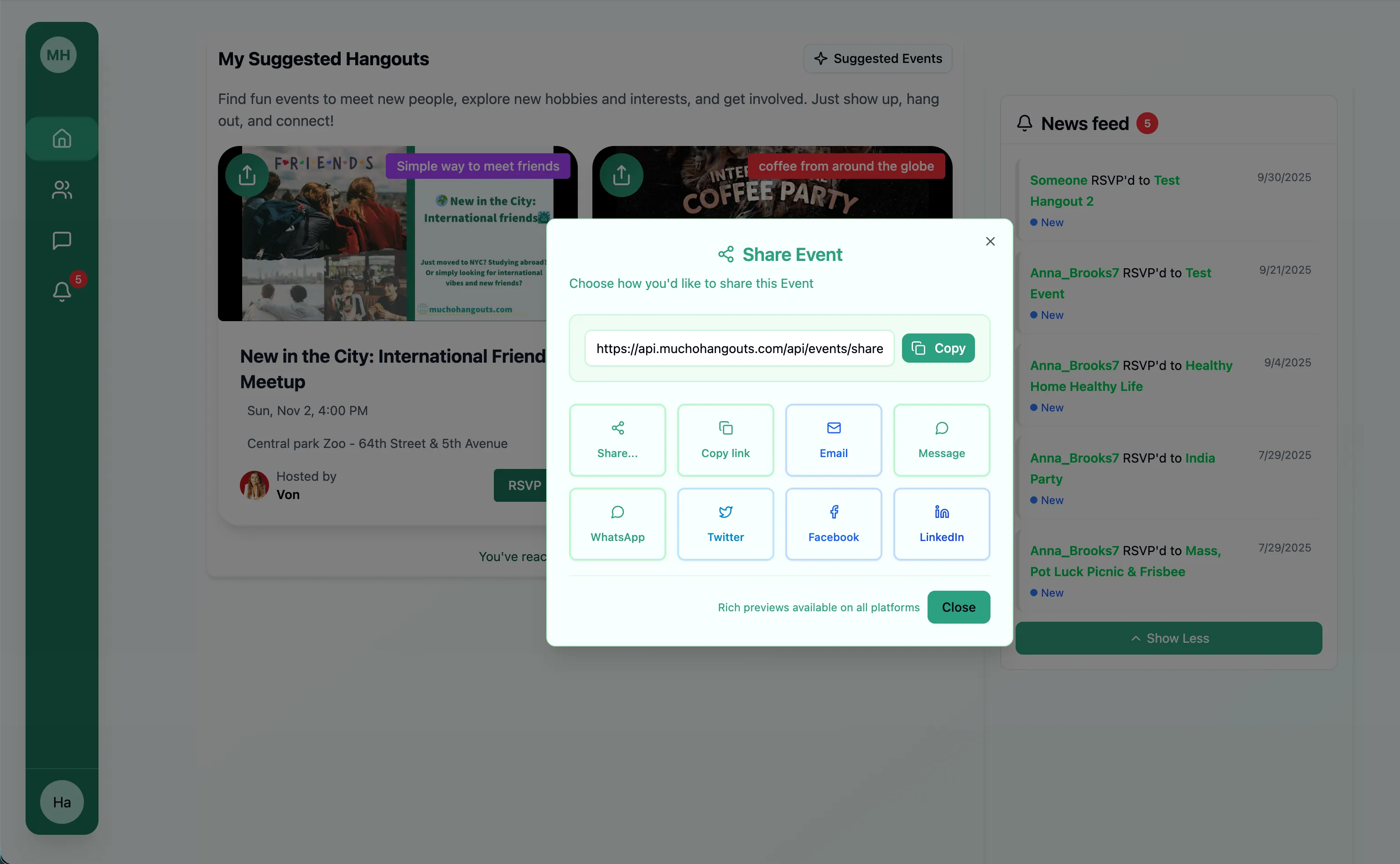
Client work
Mucho Hangouts
Improving a live product while the team kept shipping.I helped improve messaging, notifications, delivery patterns, and team practices while the product remained active and priorities continued to change.
View Mucho HangoutsYour team keeps the systems, decisions, and documentation.
You keep every tool, automation, integration, update, and the documentation behind it. Important decisions are recorded with the systems they affect, so the business can continue without depending on information held only by me.
Questions people ask before starting
Can the partnership begin without an audit or build?
Yes, when the systems, business area, and first priorities are already clear enough to define. If they aren't, a Business Systems Audit can create that starting point.
Is this advisory or implementation?
It can include both. I can evaluate options, recommend a direction, change existing systems, and build smaller tools or automations within the agreed priorities.
Can priorities change from month to month?
Yes. We review them together and use the available time on the needs that matter most within the agreed area of the business.
How is this different from a Business Systems Build?
The partnership covers a continuing set of connected priorities. A Business Systems Build has one defined first release, price, and delivery scope. A larger standalone system that comes up during the partnership is scoped as a build.
What happens when the partnership ends?
You keep the systems, updates, documentation, and decision history. I prepare a clear handoff for any active priority or unfinished change.
Need ongoing technical help from someone who knows your systems?
Tell me which part of the business needs support, which systems are involved, and what keeps coming up. We'll use the first call to see whether a monthly partnership fits.