

Find what's slowing your operations down.
I map the workflow, find where the process gets stuck, and recommend what to change first. You leave with a clear view of the problem and a first build plan you can use with your own team, another partner, or me.
Starts at $2,500
You can see the problem, but you're unsure what will fix it.
The audit is for a recurring workflow that's getting harder to run. Your team may already have ideas for fixing it, but nobody has traced the entire process closely enough to know which change will help most.
- The workflow is spread across spreadsheets, inboxes, forms, chats, and disconnected tools.
- Handoffs, approvals, or reporting depend on reminders and manual checking.
- Important status lives in people's heads, so the team has to ask around.
- You suspect software, automation, or AI could help but don't know what should be built first.
- Building the wrong system would cost more than taking time to understand the workflow.
A clear view of the workflow and what should change first.
Current workflow map
A map of the people, steps, tools, information, decisions, and handoffs involved from the first request to the final outcome.
Findings and priorities
A written explanation of where delays, repeated effort, missed handoffs, and reliability problems are coming from, ordered by what matters most.
Recommended first step
A recommendation for the smallest useful change. That may be custom software, an automation, an integration, better use of an existing tool, or a process change.
First build plan
A practical scope for the first system worth building, including its users, purpose, requirements, risks, and important boundaries.
The audit stays focused on one core workflow.
Included
- Review of the workflow and its connected handoffs
- Conversations with the people who know or use the process
- Review of the tools, documents, forms, data, and screens involved
- Identification of delays, repeated effort, failures, and gaps in visibility
- Assessment of where software, automation, integrations, or AI may help
- Final workflow map, findings, priorities, recommendation, and first build plan
Where the scope stops
Implementation is scoped separately. If the review uncovers another substantial workflow, we decide whether it belongs in the current audit or needs its own review.
How the audit works
Walk through the workflow
We trace what happens from the first request to the final outcome. I ask who is involved, which tools they use, where information changes hands, and where the process tends to fail.
Review the evidence
I inspect the documents, forms, spreadsheets, messages, screens, and system behavior that show how the workflow runs today.
Map the problems and options
I turn what I find into a workflow map, identify the most important problems, and compare the changes that could address them.
Review the recommendation
We walk through the findings together. You leave knowing what should change first, what a first build would include, and which risks or dependencies need attention.
What I need from you
- Access to the people who know or use the workflow
- Examples of the tools, documents, data, and handoffs involved
- Honest context about where delays, mistakes, or repeated effort occur
- Timely feedback on the workflow map and findings
- A decision-maker who can confirm priorities and next steps
Audits start at $2,500.
The final price and schedule depend on the workflow, the number of people involved, and the material that needs to be reviewed. I confirm both before the audit begins.
Relevant proof
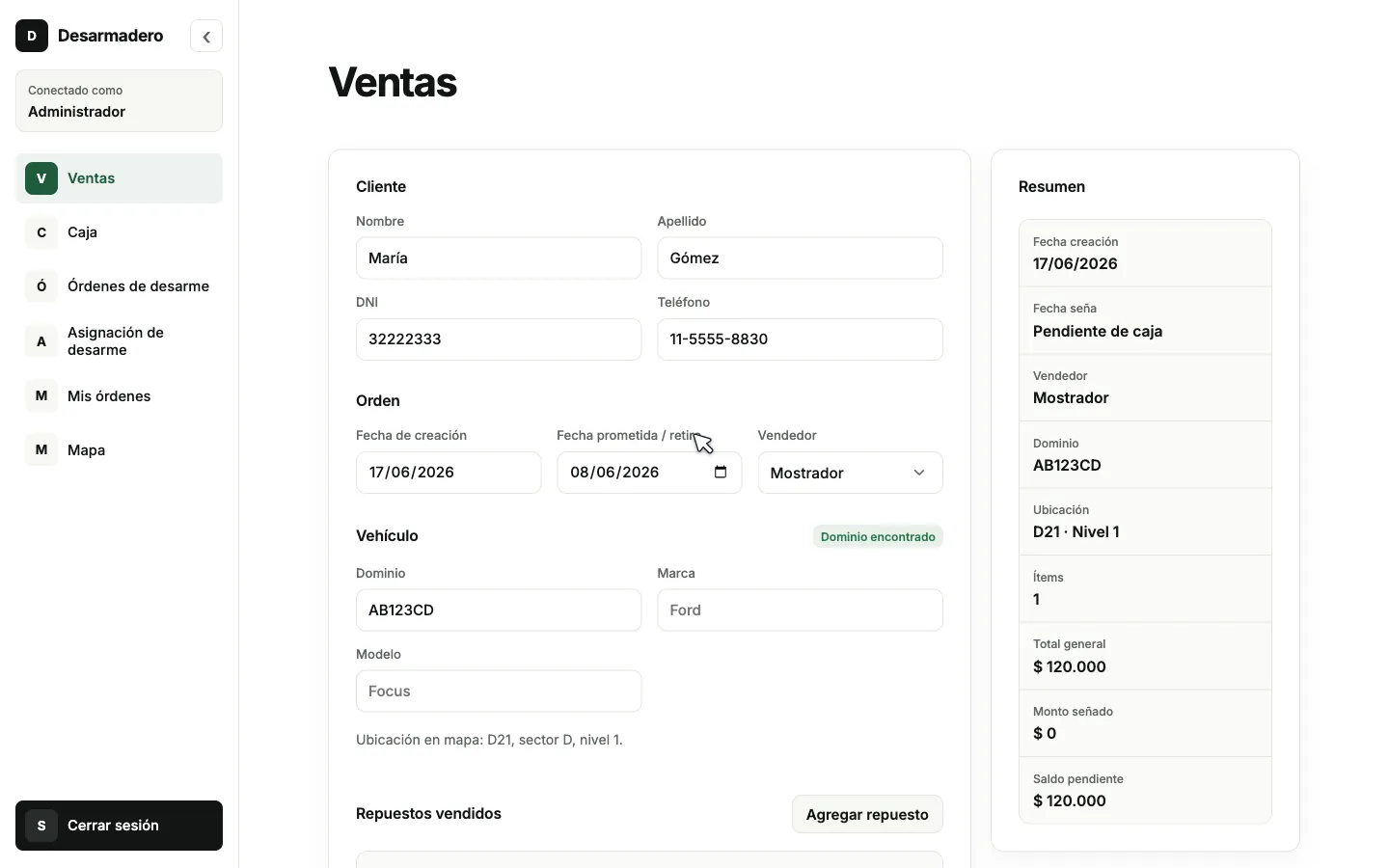
The findings are yours to use.
You keep the workflow map, findings, priorities, recommendation, and first build plan. You can use them with your own team, another partner, or me. I also walk you through the reasoning so the documents don't become a report nobody uses.
Questions people ask before starting
Do I need to know what should be built?
No. The audit is useful when the workflow problem is visible but the best fix isn't clear yet.
Can we begin with a Business Systems Build instead?
Yes, when the workflow, users, desired result, and first scope are already clear enough to price and build responsibly.
Does every audit lead to custom software?
No. The recommendation may be an automation, an integration, better use of an existing tool, a process change, or a custom system. The audit gives you enough evidence to choose.
What happens after the audit?
You can make the recommended changes internally, take the plan to another partner, ask me to scope a Business Systems Build, or stop after the audit.
Find out what should change first.
Start with the workflow that's causing delays, repeated effort, missed handoffs, or unreliable reporting. We'll use the first call to see whether an audit is the right place to begin.