Desarmadero La Torre
A searchable parts catalog, followed by a returning-client engagement that turned one discovery call into a PRD, spec, and clickable operations prototype.
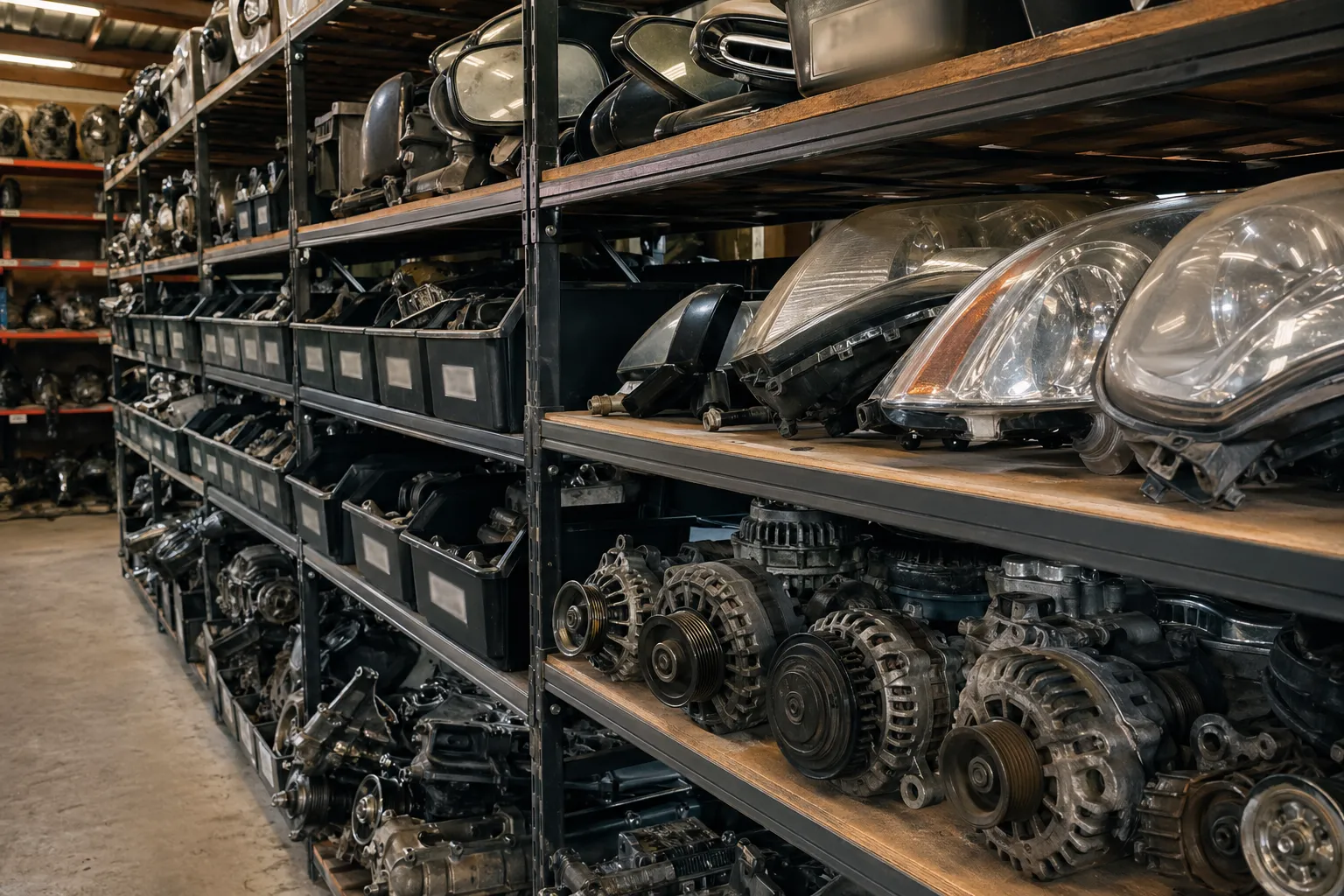
Project overview · 21 seconds
A searchable customer-facing parts catalog
I built a searchable customer-facing parts catalog so buyers could check stock before calling.
Desarmadero La Torre had a large, changing auto-parts inventory, but customers had to call or visit to find out what was available. I turned that phone-heavy process into a searchable digital stockroom that customers could browse before contacting the team.
Staff answered the same stock questions all day
Staff repeatedly answered the same availability questions.
That created friction on both sides: customers had no way to inspect stock, and staff had to spend phone time qualifying basic requests.
A useful change had to make inventory visible without forcing the staff into a heavy replacement system they would struggle to maintain.
I made stock searchable before changing the internal system
Make stock searchable before the first call.
The customer-facing product centered on search by make, model, and year so buyers could narrow the question before reaching out.
Keep the internal workflow lightweight.
The staff workflow kept listing updates practical instead of introducing a full inventory platform the business would not use.
A searchable catalog replaced the first availability call
The catalog organized vehicles and parts around the make, model, and year questions customers already asked on the phone.
Listings included photos and a direct inquiry path, so customers could move from browsing to a more specific conversation. Staff could keep the catalog current through a deliberately simple listing workflow.
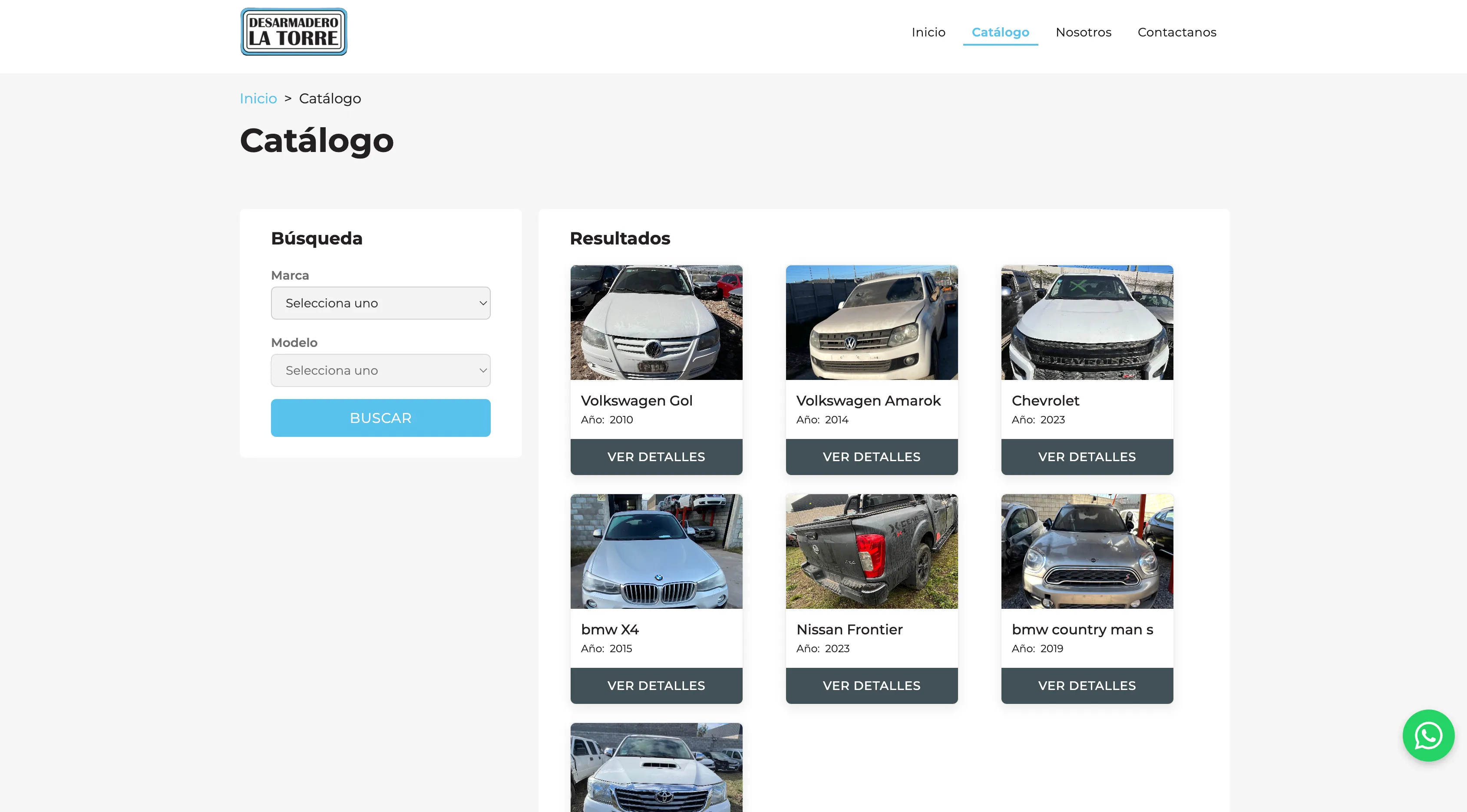
Customers could start with a specific vehicle or part
Customers could search before calling, which turned vague availability checks into more qualified inquiries and gave the business a 24/7 way to surface stock.
Customers could check inventory before calling.
The catalog gave buyers a way to search by make, model, and year instead of starting every inquiry with a vague availability question.
Inventory updates stayed simple.
The staff workflow kept vehicle, photo, and listing updates simple instead of forcing the business into a heavy internal system.
Calls became more qualified.
Customers could arrive with a specific part or vehicle context, which reduced repetitive back-and-forth.
The business gained a 24/7 stockroom.
Inventory could be surfaced outside business hours without relying on phone time alone.
The client returned to run the whole yard
After the catalog launched, the same client came back wanting to run the auto-dismantling yard itself — counter sales, cash-desk payments, dismantle orders, and finding vehicles across 301 parking positions.
The operating model lived across paper budget sheets, WhatsApp, Excel, and memory. I turned one discovery call into a PRD, a functional spec, and a role-based SvelteKit prototype the client could click through before committing to the full build.
Live demo: desarmadero.pages.dev. Repository: github.com/HanifCarroll/desarmadero.
The prototype follows each role through the yard
The prototype follows the yard’s daily operation: the seller records the sale, the cash desk confirms payment, the dismantle manager assigns the job, and the dismantler sees only the orders they need.
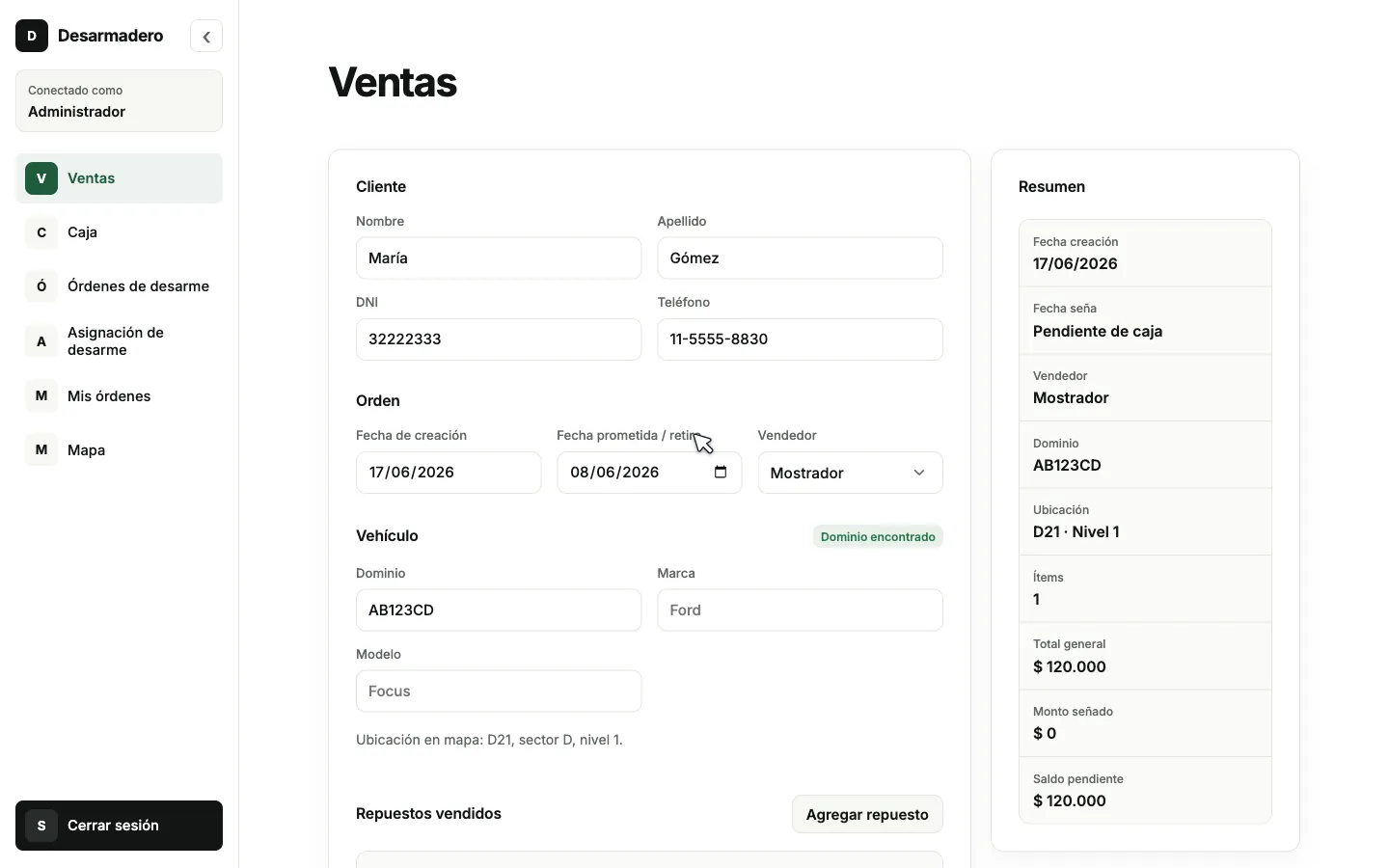
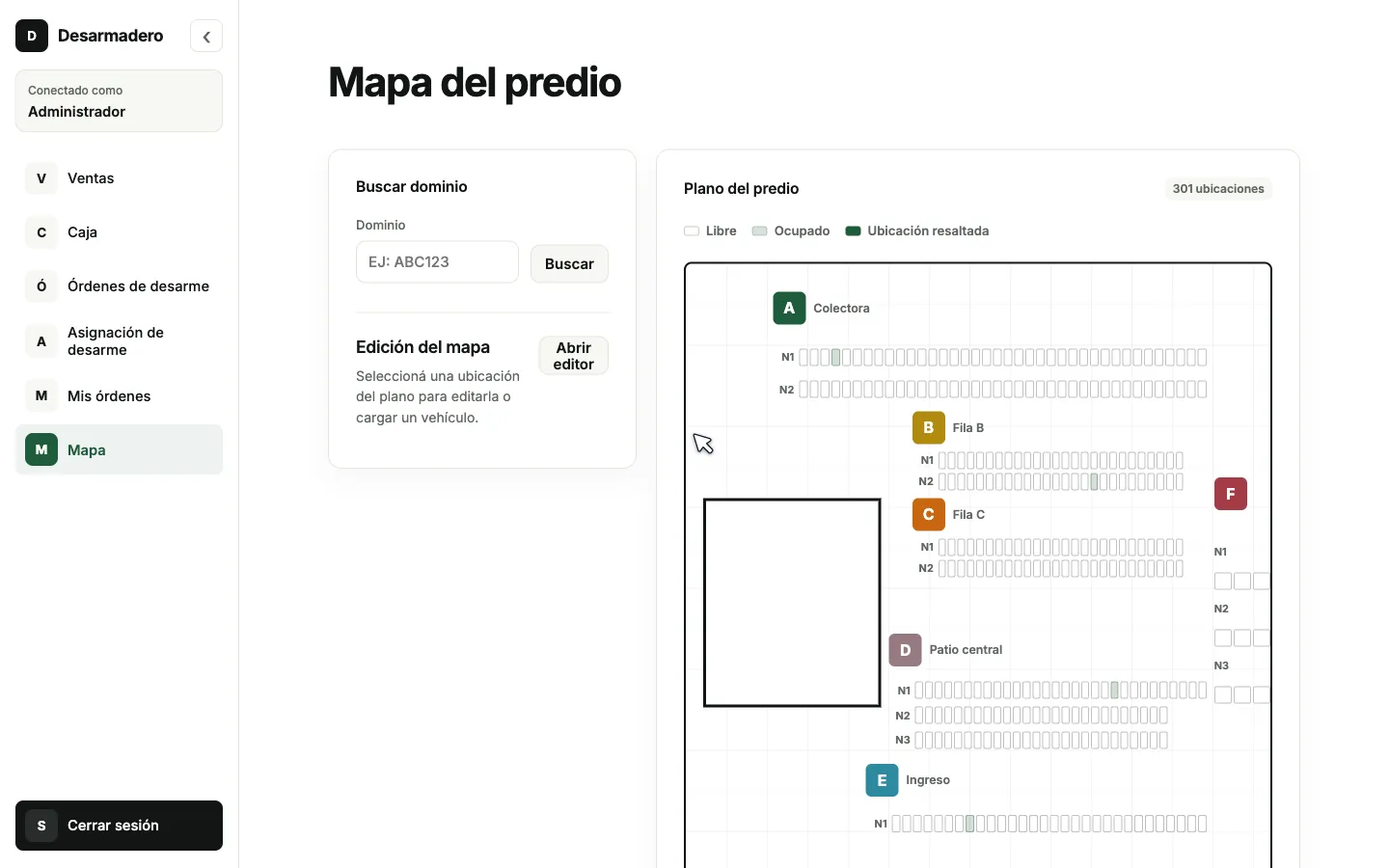
The operations prototype has its own detailed write-up
The second phase is documented in full: discovery transcript, PRD, functional spec, five modeled roles, and the business rules behind the prototype.
Read the full operations-prototype project.Have a product priority that needs an owner?
I join B2B SaaS teams on contract to ship the features, internal tools, and integrations already on your roadmap.