E-commerce "Fake Door" Test
Tested buying intent before inventory spend by capturing interest at checkout.
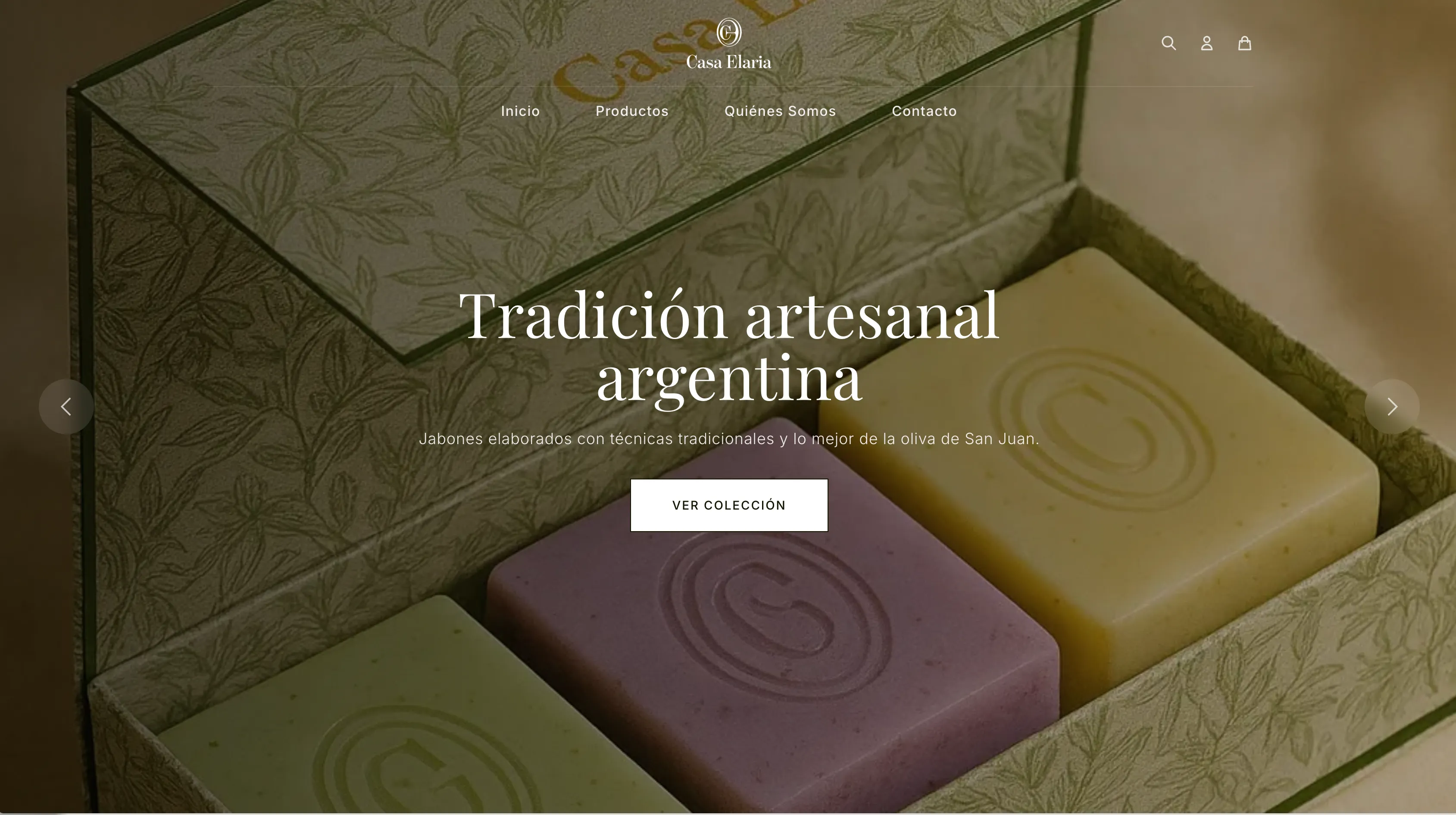
Project overview · 21 seconds
Test the product idea before buying inventory
Casa Elaria needed a way to test purchase intent before spending on inventory.
I built a fake-door storefront so the founders could learn which products attracted interest and collect early demand before committing capital.
Inventory was the risk to test first
The founders had a promising beauty product idea, but inventory and development required upfront spending.
The first question was whether people would act like buyers. A full commerce operation could wait.
The buying moment had to feel real
The test needed to feel real enough to measure intent while staying honest about the product not being ready to ship yet.
That meant building the buying moment, capturing demand, and avoiding the cost of a full storefront and inventory.
Validate intent before building the operation
Validate the buying moment before the business commits.
The useful MVP was the smallest convincing experience that could show whether visitors wanted the products.
Use the final step to capture demand.
Instead of charging at checkout, the site collected email interest so the founders could measure intent and build a launch list.
A storefront designed to measure intent
The page needed to give visitors enough confidence to behave like buyers, not just casual browsers.
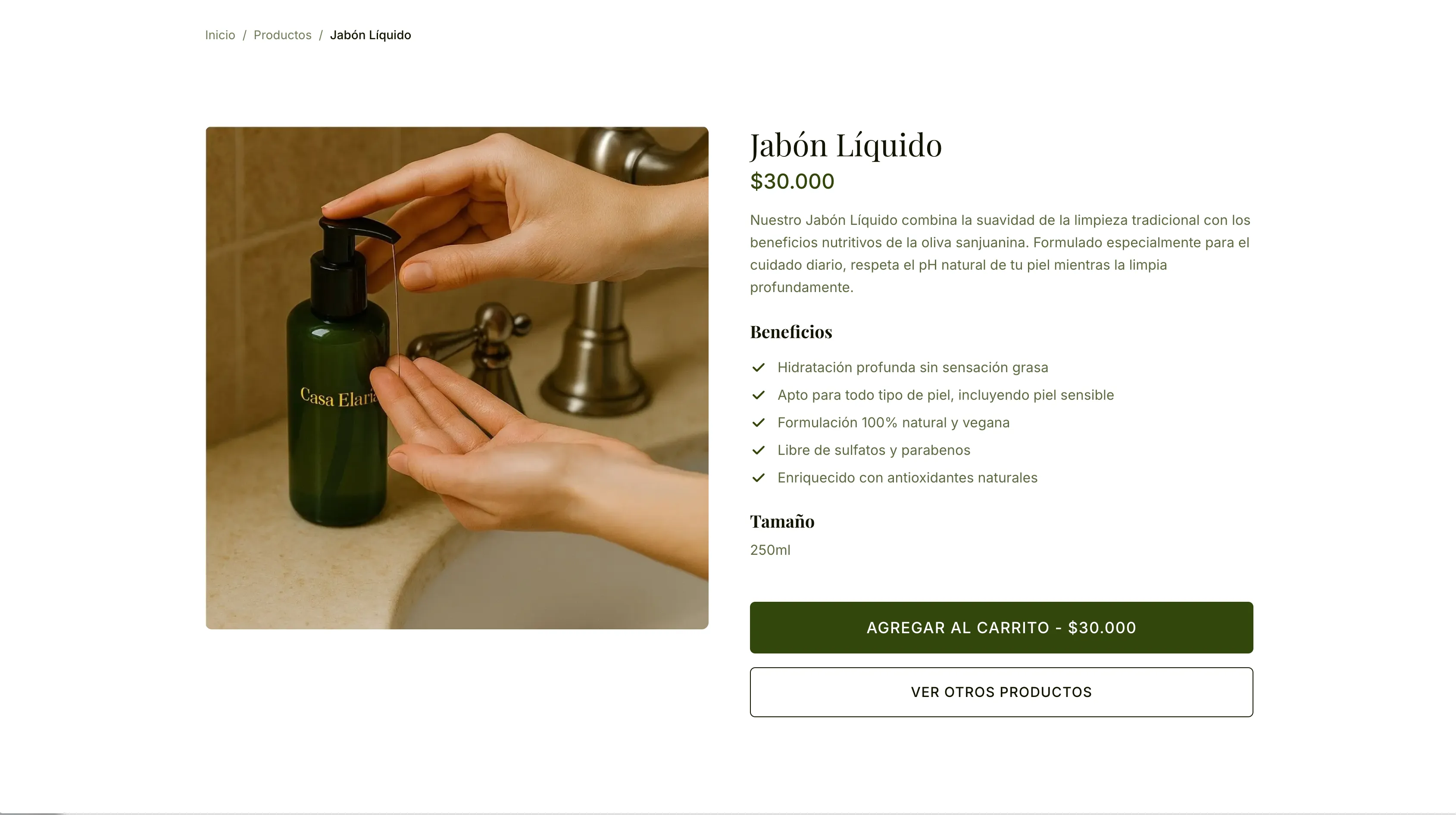
The smallest credible commerce test
Built the storefront around buyer behavior.
The experience used familiar e-commerce patterns so the test measured shopping intent instead of confusion with a prototype.
Kept the scope focused on learning.
The build avoided unnecessary backend and inventory complexity while still producing a useful commercial signal.
A demand signal before inventory spend
The fake-door MVP gave the founders a clearer demand signal before they spent on inventory or committed to a larger commerce build.
Visitors could behave like buyers.
The storefront created a normal shopping path, then captured interest at the final step instead of taking payment.
The founders could compare product interest.
The test showed which products attracted the strongest buying intent before inventory spend.
Curiosity became a warmer audience.
Email capture turned early interest into a list the founders could use for launch.
The first build reduced inventory risk.
The project tested market pull before the founders committed to a larger operational bet.
Have a product priority that needs an owner?
I join B2B SaaS teams on contract to ship the features, internal tools, and integrations already on your roadmap.