E-commerce "Fake Door" Test
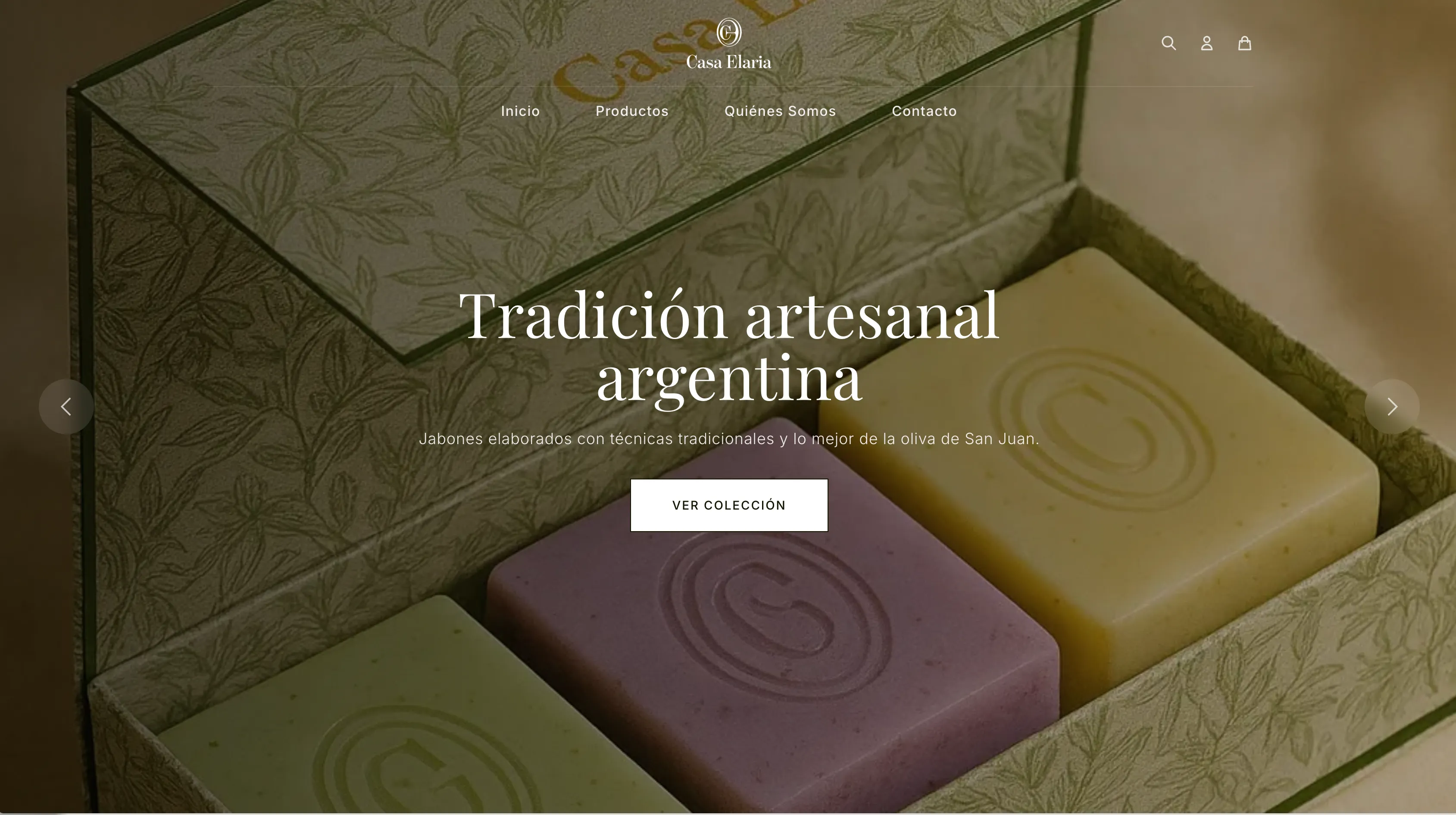
A fake-door storefront used to test demand for a beauty brand before spending on inventory.
What changed
Instead of guessing, the founders got a low-risk signal on which products drew the strongest interest. The test also built an early launch list, which gave them proof of demand and a warmer audience before they spent on inventory.
- Proof type
- Client work
- Client
- Beauty Brand
- Service
- Validation Build
- Best fit
- Founders who need to test demand before investing in inventory, manufacturing, or a full build.
- Track
- Validation Build
- Timeline
- Short validation sprint
Why it mattered
Entrepreneurs had a promising beauty product idea but faced significant financial risk. They needed to validate market demand before investing in costly development and inventory.
Constraints
- Needed to test real purchase intent without taking payments or buying stock first.
Built with
// What Was Happening
Entrepreneurs had a promising beauty product idea but faced significant financial risk. They needed to validate market demand before investing in costly development and inventory.
// What I Built
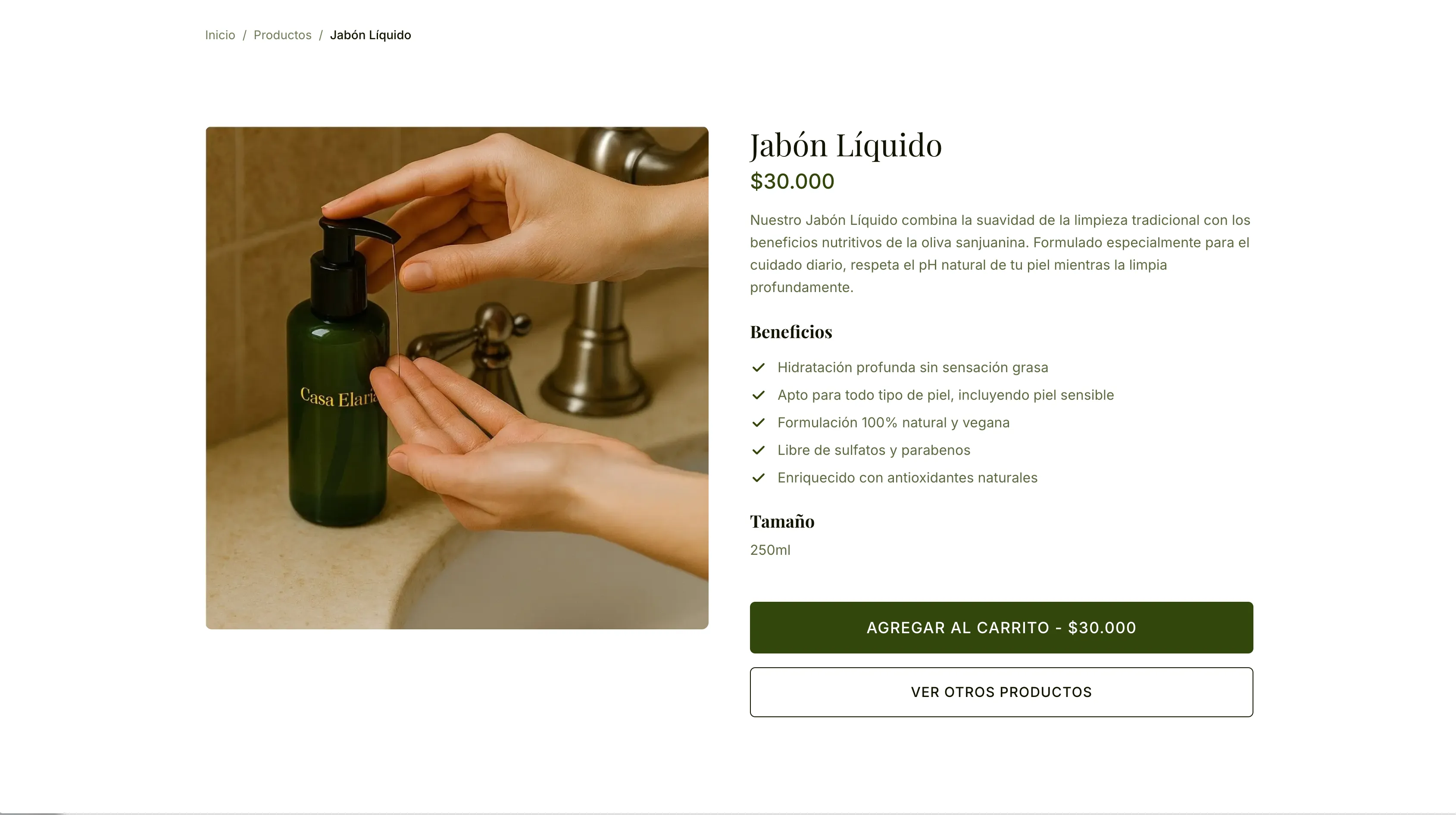
Built a convincing e-commerce storefront that let the founders test whether people would actually try to buy. Instead of charging at checkout, the site captured email interest at the final step so they could measure intent before committing capital.
// What Changed
Instead of guessing, the founders got a low-risk signal on which products drew the strongest interest. The test also built an early launch list, which gave them proof of demand and a warmer audience before they spent on inventory.
Need a first version like this?
If you need a real v1 in front of users without dragging the build out for months, start by scoping the smallest useful version.